A steel roof often fails at the seams, at the fasteners, and at the layer nobody ever sees again. Panels ship with 40 year finish warranties, yet some start leaking inside five years, and the cause is workmanship every single time. So before you compare gauges and colors, compare crews.
How is steel roofing installed today
A steel roofing system has five interacting layers: the structural deck, a high temperature membrane, perimeter trim, the panels, and the closures and flashings that seal every transition. Water gets stopped by geometry and overlap, not by sealant. A roofing service that understands this builds roofs that stay dry. A crew reaching for a caulk gun does not.
Demand has shifted hard. Metal now holds roughly 18 percent of the U.S. residential roofing market according to Metal Roofing Alliance and FMI research, and steel is about 82 percent of that metal. A newer FMI market study projects residential metal reaching 16 percent of the total roofing market within four years, with replacements driving 96 percent of that volume. Homeowners are not experimenting anymore. They are re-roofing.
The steel roofing installation process
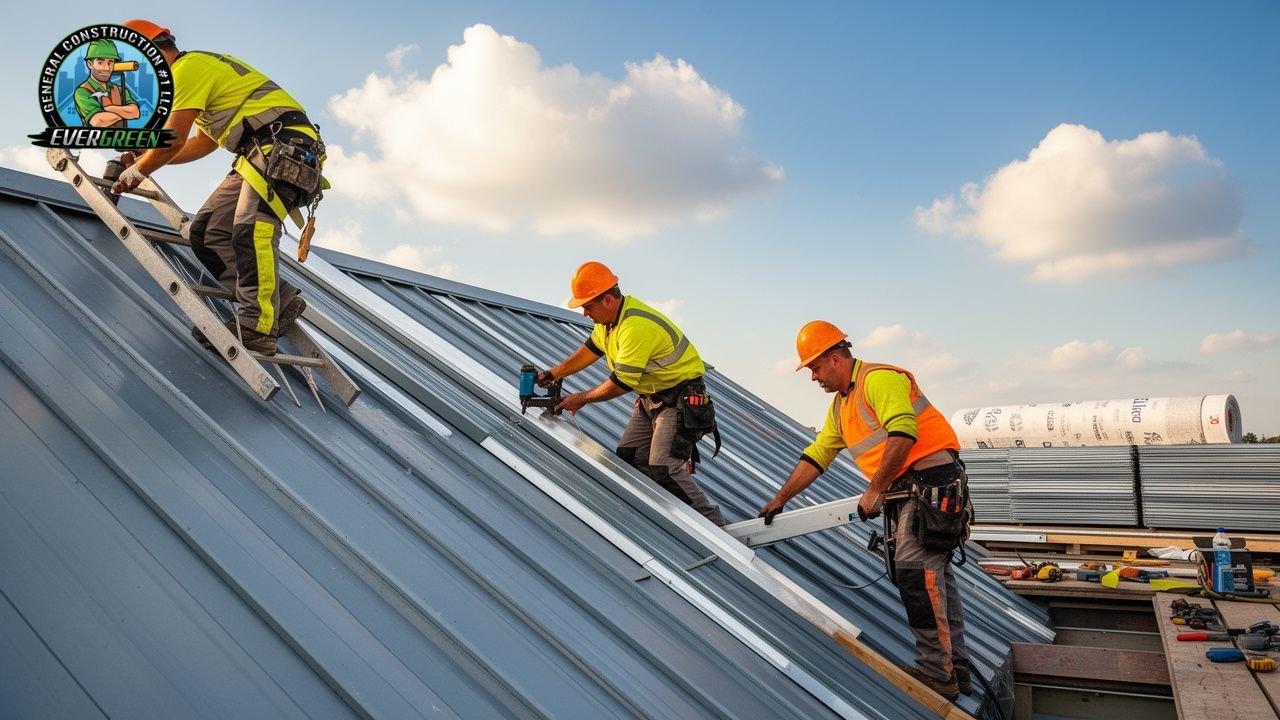
Here are the steel roof installation steps a qualified roofing service follows on a standard residential replacement.
- Measure, plan, and permit. The crew documents pitch, penetrations, valley lengths, and rake dimensions, then orders panels cut to length so no horizontal seams land in the field.
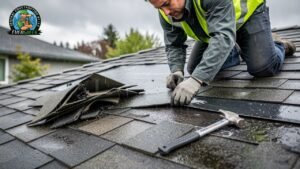
- Tear off and inspect the deck. Old material comes off down to sheathing. Soft plywood, delaminated OSB, and rotted fascia get replaced now, and your roofing service should photograph all of it, because nothing above this layer compensates for a bad substrate.
- Install the membrane. Peel and stick goes at eaves, valleys, and every penetration. High temperature synthetic covers the field.
- Set the perimeter metal. Drip edge, eave trim, and rake trim are fastened and flashed before a single panel goes down.
- Lay the panels. Work starts at one rake and runs square across the roof. Each panel gets checked against a chalk line, because a quarter inch of drift compounds into two inches by the far side.
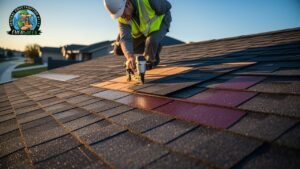
- Fasten to the tested schedule. Clip spacing or screw pattern comes from the manufacturer’s wind uplift data, not from habit.
- Flash the transitions. Sidewalls, chimneys, skylights, plumbing boots, and valleys get formed metal with proper laps.
- Vent the ridge and clean up. Ridge cap, closure strips, a magnetic sweep for stray screws and shavings, then a final walk with the homeowner and the roofing service foreman.
That sequence is the backbone of any honest steel roof installation guide, and it is roughly how metal roofs are installed on residential jobs nationwide. Ask any roofing service to walk you through their version of the steel roofing installation process before you sign.
Steel roof underlayment does invisible work
This is where corners get cut most often, and where a discount roofing service ends up costing you the most.
Standard asphalt felt was engineered for shingles, not steel. Panel surfaces regularly hit 150°F to 165°F on a clear summer afternoon, and felt dries out, wrinkles, and turns brittle underneath. Correct steel roof underlayment is a synthetic rated for 240°F or higher continuous exposure, with self adhering ice and water membrane at the vulnerable spots.
Details that separate a good install from a bad one:
- Side laps of at least 4 inches and end laps of at least 6 inches, widened to 6 inches on low slopes and high wind exposures
- Cap fasteners rather than staples, in a pattern that keeps the membrane flat under foot traffic
- Slopes between 2:12 and 3:12 doubled up, with self adhering membrane at the eaves
- Slip resistance high enough for crews to work safely on wet Northwest mornings
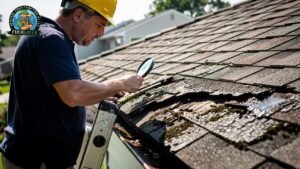
One gap almost nobody addresses: ventilation. Warm indoor air meeting cold steel produces condensation on the panel underside. Balanced intake at the soffit and exhaust at the ridge keeps that moisture moving. Skip it in a climate like ours and you get damp sheathing under a roof that never actually leaked. Any experienced roofing service will inspect your attic before quoting, not after.
Steel roof fastening methods compared
Steel moves. A 30 foot panel swinging through a 100°F annual temperature range grows and shrinks by roughly a quarter inch, every year, for fifty years. Steel roof fastening methods exist to manage that movement instead of fighting it.
Exposed fastener panels use screws driven through the panel face into the deck or purlin, each sealed by an EPDM washer. They cost less and go on faster. The catch is torque. Under-driven screws leak immediately, over-driven screws crush the washer and leak in year six, and a 2,000 square foot roof can hold well over a thousand of them. Installer discipline matters more here than on any other assembly.
Concealed clip standing seam hides the attachment inside the seam. Fixed clips anchor the panel at one point while floating clips let the rest slide, so nothing binds or backs out. The Metal Construction Association’s best practices guide on standing seam clips explains that clip spacing should follow ASTM E1592 uplift test data for the specific panel profile. Snap lock seams work at 3:12 and steeper. Mechanically seamed double lock panels are required below that.
Ask which system your roofing service is quoting, and why. A vague answer tells you plenty.
Steel roofing vs asphalt shingles
Comparing steel roofing vs asphalt shingles on sticker price alone gives you the wrong answer.
Asphalt runs about $5 to $7 per square foot installed. Steel typically lands between $10 and $15, and locally a full residential replacement generally falls between $8,000 and $15,500 depending on square footage and complexity. For a better understanding of pricing factors, check our new roof cost guide before choosing your roofing material. Now look at duration. Asphalt lasts 15 to 30 years. Steel lasts 40 to 70. Most homeowners buy two or three shingle roofs during the service life of one steel roof, and the second one always costs more than the first. Any roofing service quoting you both materials should show that math side by side.
Other numbers worth weighing:
- Metal roofing is made with 25 to 95 percent recycled content and is 100 percent recyclable at end of life, while asphalt is petroleum based and heads to a landfill
- Many carriers offer premium discounts of 10 to 35 percent for impact and fire resistant roofs, so call your insurer before deciding
- Class 4 impact ratings under UL 2218 and Class A fire assemblies under ASTM E108 are available on steel, so ask your roofing service which ratings the quoted panel carries
Steel roofing benefits for wet climates
Most articles about steel roofing benefits were written for Phoenix. Ours is a different problem.
Tacoma sees close to 40 inches of rain a year, spread across long grey stretches that keep roof surfaces damp for weeks. Moss is the local villain. It roots in the granular surface of asphalt shingles, lifts the tabs, and holds water against the deck. Steel gives it almost nothing to grip, and a smooth painted panel sheds needles and debris that would otherwise pack into a shingle roof’s keyways. That single difference changes what a maintenance roofing service visit looks like ten years from now.
Steel handles wind well too. Properly fastened systems carry ratings up to 140 mph, generous coverage for our winter storms. On reflectivity, the EPA notes that cool roof surfaces can lower maximum indoor temperatures by 2.2°F to 5.9°F in buildings without air conditioning, and plenty of older Pierce County homes have no AC at all.
What a qualified roofing service documents
Experience shows up in paperwork long before it shows up on the roof. A credible roofing service hands you the permit, the manufacturer’s installation instructions for the exact panel used, the wind uplift and fastening schedule, photos of the bare deck before underlayment goes down, and both warranties in writing. Two of them, actually: one from the manufacturer on the finish, one from the installer on the labor.
Verify contractor registration through Washington State Labor and Industries before work starts. It takes two minutes, confirms bonding and insurance, and shows whether the business has operated under that name as long as it claims. Evergreen General Construction #1 LLC has served Puyallup, Tacoma, and Auburn for over 25 years, and every roofing service we quote comes with that documentation attached. Skip the verification step and you inherit whatever the crew leaves behind.
Frequently asked questions
Is steel roofing a good choice for Tacoma’s climate?
Yes, for reasons specific to our weather. Steel resists the moss and algae that shorten shingle life here, sheds constant rain without absorbing it, and holds up through freeze and thaw cycles at higher Pierce County elevations.
Do Puyallup homeowners need a permit for a steel roof?
Most jurisdictions in Pierce County require a permit for a full re-roof, especially when sheathing is replaced or the structural load changes. Requirements vary by city and by whether you tear off or overlay, so confirm with your local building department first. A licensed roofing service files that paperwork for you.
How long does steel roof installation take in Auburn?
Most residential projects finish in two to four days. Steel usually adds a day compared with asphalt because trim, flashings, and panel alignment take longer. Steep pitches, multiple dormers, and rain delays extend that.
Can steel panels be installed over existing asphalt shingles?
Sometimes, though we rarely recommend it. Overlay hides deck rot a thorough roofing service would otherwise catch, traps moisture, and can void manufacturer warranties. Building codes also limit total roof covering layers. Tear-off costs more up front and shows you what you are actually dealing with.
Are steel roofs noisy during heavy rain?
Far less than people expect. When a roofing service installs panels over solid sheathing, high temperature underlayment, and an insulated attic, sound levels land close to a shingle roof. The noise reputation comes from bare barn roofs fastened directly to open purlins.
Ready for a straight answer?
Book a free inspection and a written estimate from a roofing service that has been installing roofs across Puyallup, Tacoma, and Auburn for more than 25 years. We will walk your deck, show you photos of what we find, and explain exactly which steel roofing system fits your home and your budget. No pressure, no vague numbers. Contact Evergreen General Construction #1 LLC phone (208) 695-3167 or email: 1evergreengc@gmail.com Serving Tacoma, Puyallup, Auburn, and surrounding.
Sources
- U.S. Department of Energy, Consumer Guide to Cool Roofs.
- Metal Construction Association, Standing Seam Roof Clips Best Practices Guide.
- U.S. Environmental Protection Agency, Using Cool Roofs to Reduce Heat Islands.
- Roofing Contractor, Metal Market Survey Forecasts Strong Growth for Residential Metal Roofing in U.S.